Seek the City to Come One Year Later
↑ Top
Seek the City to Come One Year Later: A Few
Observations
The Archdiocese of Baltimore concluded its “Seek the City to Come” plan
for consolidation of churches in Baltimore and surrounding areas at the
end of 2024. One year later, it is unknown if the Archdiocese has assessed
the aftermath of such a massive contraction of the Catholic Church’s
footprint here in Baltimore. It would be good to know, for example, if the
newly formed parishes at “seated” churches have experienced an increase in
attendance equal to the number of those displaced from closed churches.
Overall, it is impossible to determine exactly since not all parishes are
reporting attendance in their weekly bulletins. What we CAN definitively
see is a significant drop in donations to the Annual Appeal, the source of
funds for the “ministries” AoB seeks to expand. In addition to reviewing
attendance and donations, we also find it interesting to perform a
retrospective analysis of the Seek the City map drawn by the Archdiocese
and to re-examine some of the Catholic Review articles covering the
project.
As to the issue of attendance, we will focus on our own “seated” parish,
Our Lady of Hope, which absorbed Sacred Heart of Mary, St. Rita and St.
Luke. Total average attendance for all four churches combined,
pre-consolidation, was 1,069. A review of 12 recent bulletins published by
Our Lady of Hope indicates an average attendance of 827, a 22.6% drop from
what would be expected. It is unknown if these missing 242 persons have
gone to other churches, or just stopped going altogether. There has been
no outreach to find these folks, the majority of whom are probably
elderly. This lack of follow-up is consistent with the Archdiocese’s
dismissive view of elderly parishioners. Decrees of closure specifically
cited advanced age of a church’s congregation as reason for closure,
looking at “over 65” first. If that didn’t yield number high enough to
justify closure, they used “over 55” to get the percentage they were
looking for.
Looking at the drop in attendance at this particular parish together with
the 25.7% overall decline in the Annual Appeal
(see Appendix A - Spreadsheet), it can logically be deduced that folks all across the Baltimore area
have indeed fallen through the cracks. This is happening contrary to what
Archbishop Lori had earlier stated, “The whole orientation of Seek the
City is toward the creation of parishes that are well positioned and well
equipped to evangelize neighborhoods [emphasis added] and to really
gather the people in those neighborhoods, especially the unchurched,
around the table of the Lord.” (“The Final Plan,”
Catholic Review, June 2024) How is this happening if these parishes
are not even keeping the actual churchgoers they had? Or maybe the
“unchurched” are now the priority. But how does evangelization occur, for
instance, when St. Luke, the only Catholic church in the Sparrows
Point/Edgemere peninsula is shuttered and sold….to a different Christian
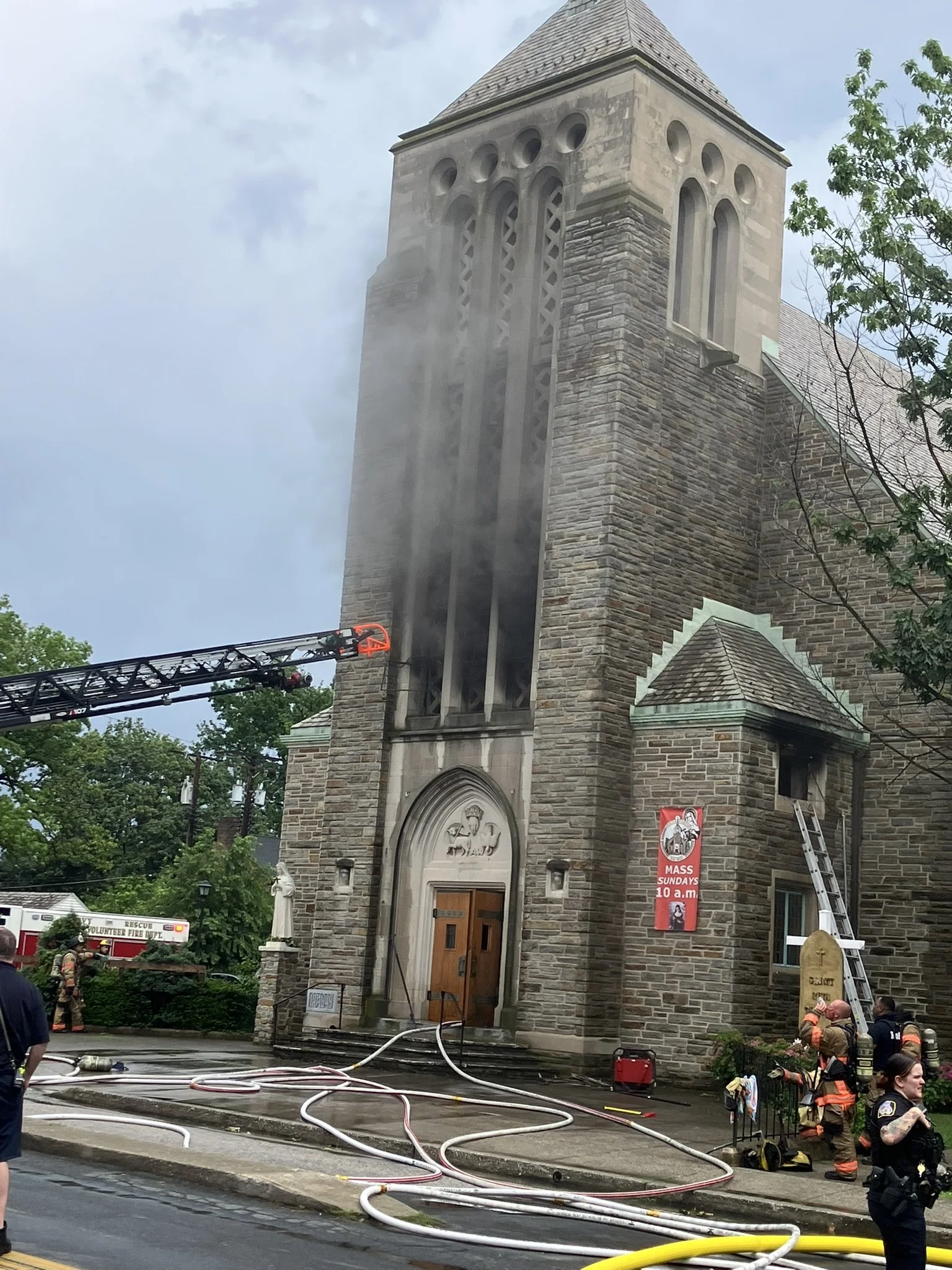
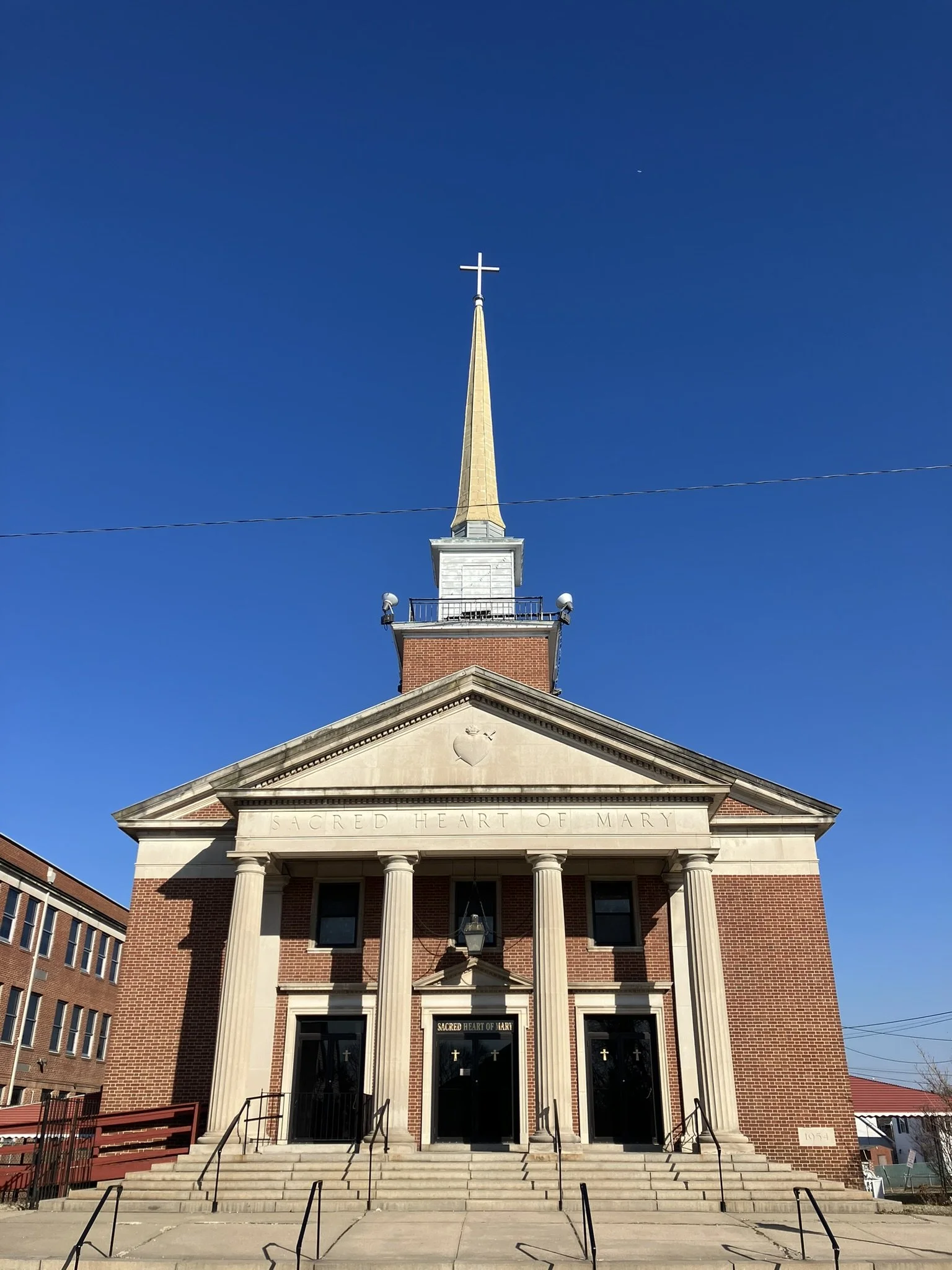
faith? That particular “neighborhood” is apparently expendable. St. Rita,
a worship site, experienced a fire in July, 2025 yet nothing is in place
to repair the church with insurance proceeds or to designate a worship
site at either St. Luke (since sold) or Sacred Heart of Mary, leaving the
entire expanse of the Eastern region with only a single church. The entire
Essex/Middle River region is also left with ONE church.
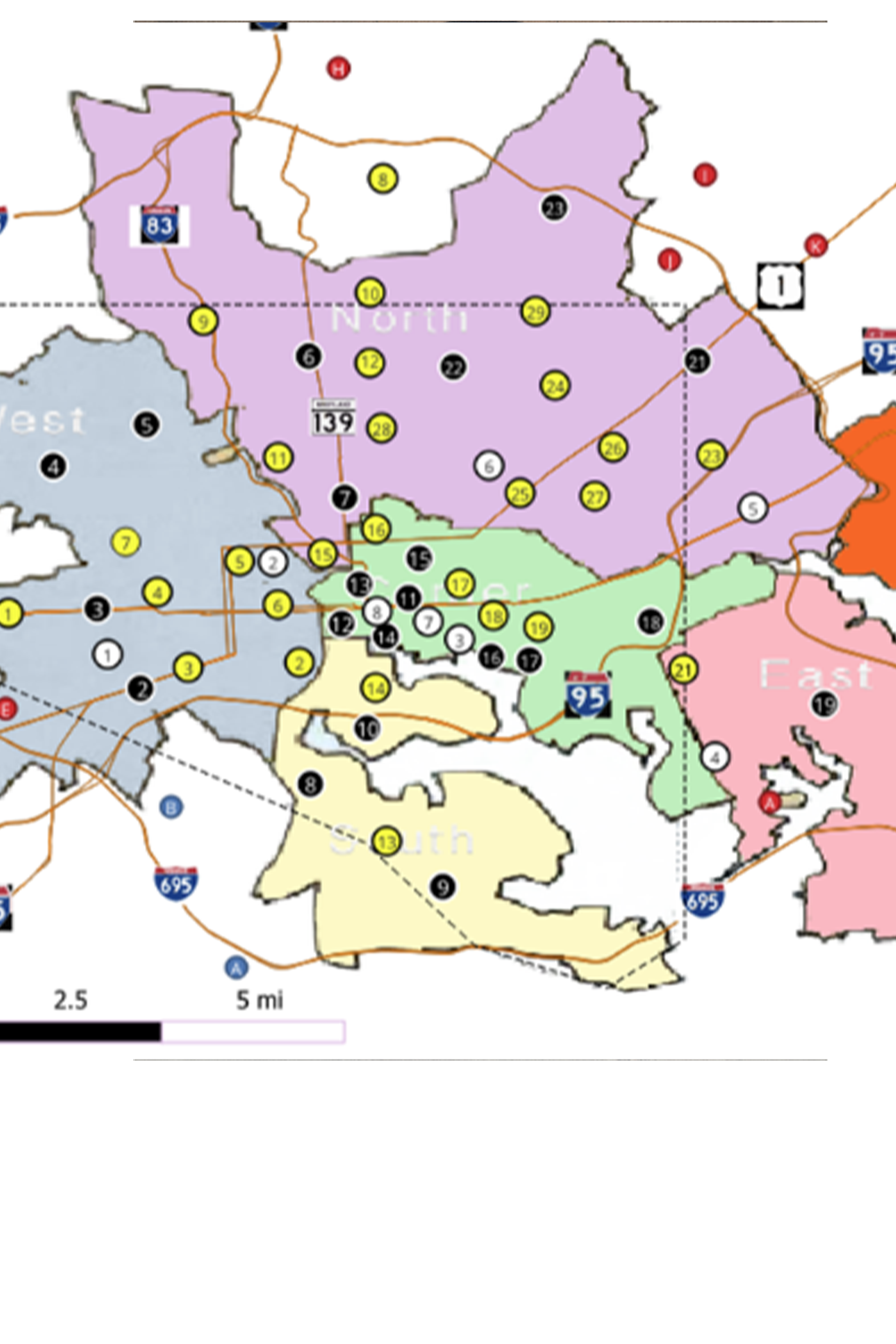
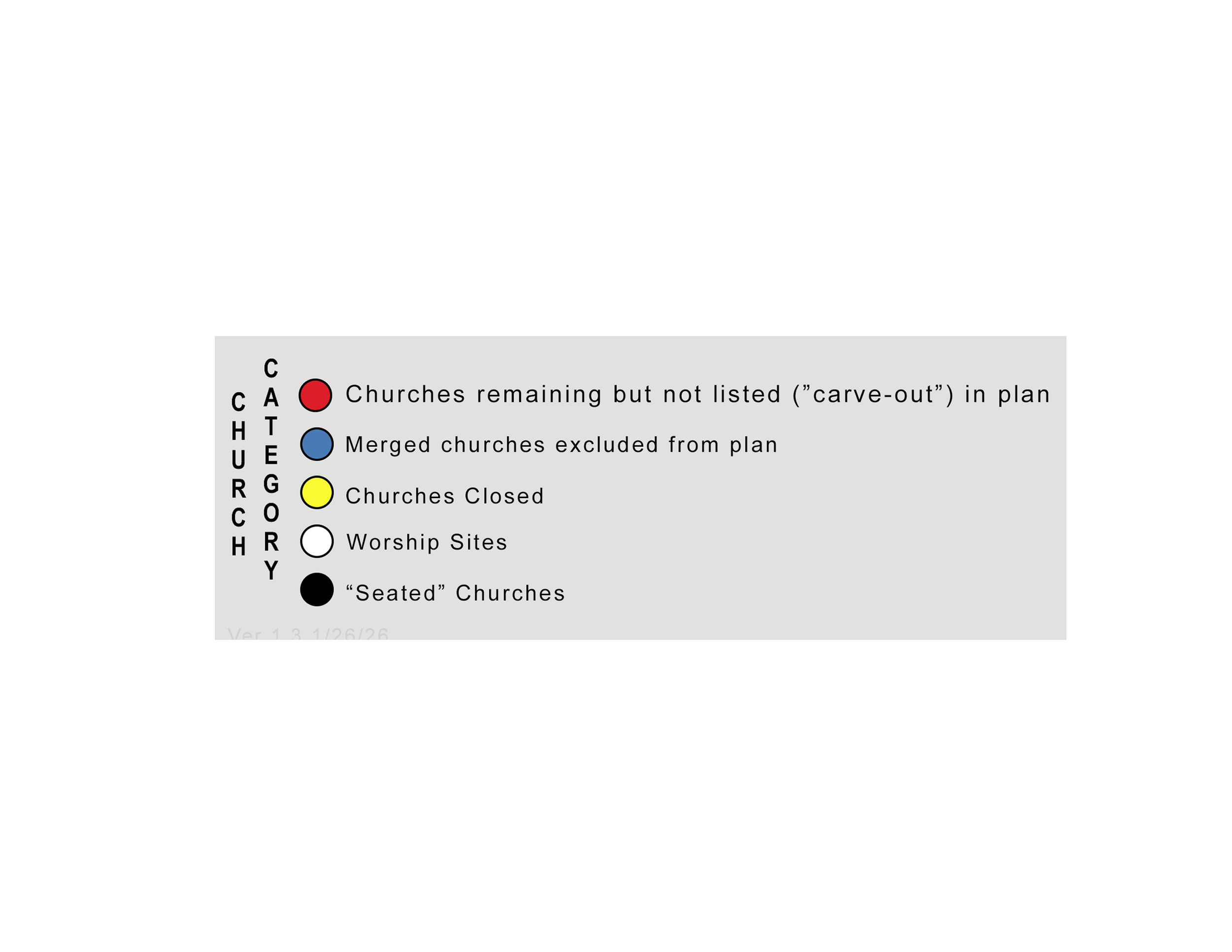
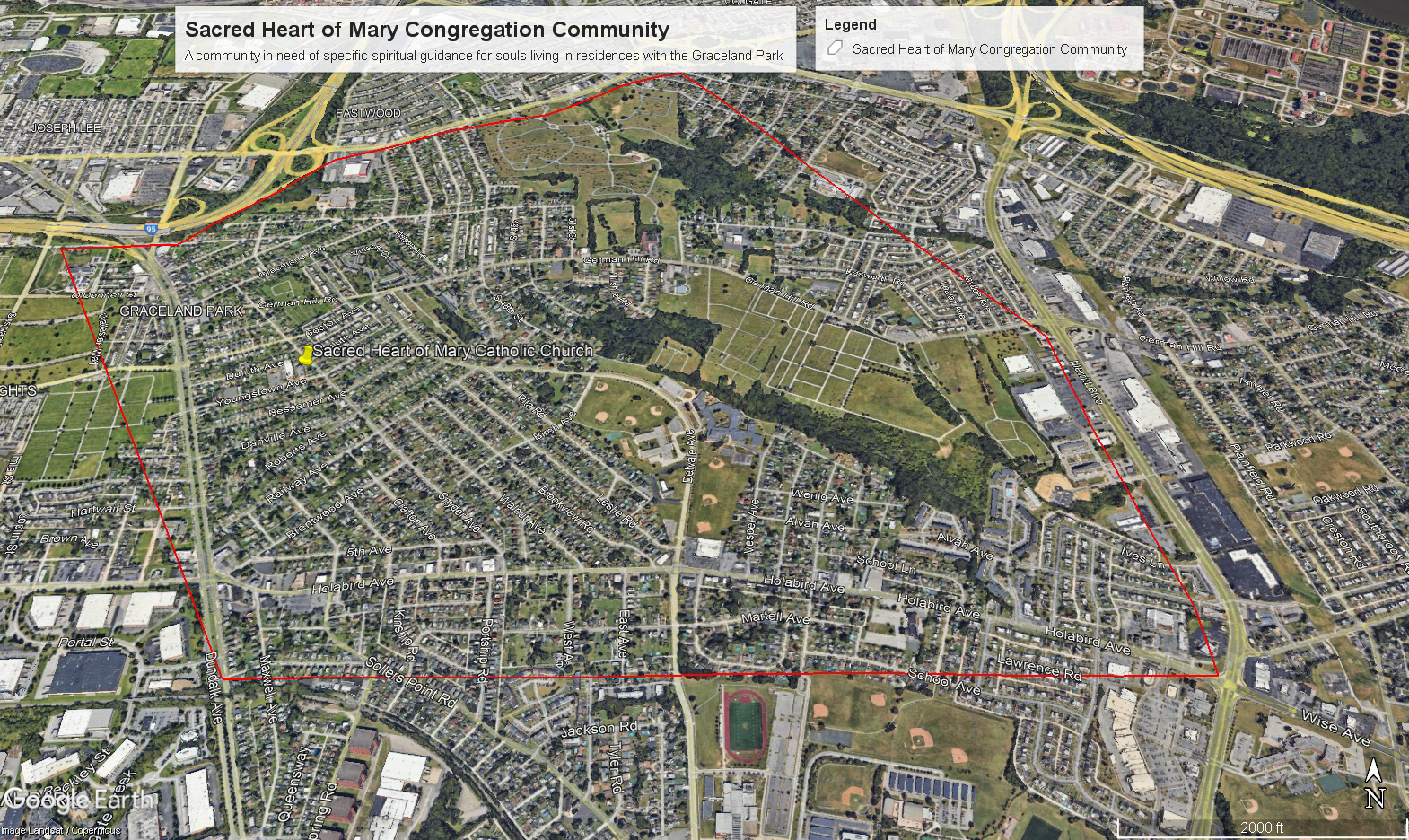
Looking at the map, it’s plain to see that the catchment zone of “Seek the
City” oddly spread miles and miles to the east, and only the east,
encompassing the waterfront suburbs with ironically low church density.
These areas are not even particularly near the “City” that was supposedly
being sought. Neighborhoods that once had Catholic Churches to walk to are
now essentially Catholic deserts.
As indicated previously, one way to gauge how well Seek the City changes
are being accepted is to observe the change in donations to the Annual
Appeal from 2024 to 2025. Although the overall decline is 25.7%, it is the
consolidated parishes that have posted the most extreme drops (Catholic Review, Dec. 2024 & 2025). Of particular note:
|
St. Leo/St. Vincent de Paul
|
-84.8%
|
|
New All Saints
|
-78.7%
|
|
St. Matthew
|
-77.6%
|
|
Our Lady of Hope
|
-56.8%
|
Even if the decline in donations does not perfectly equate to decline in
attendance, at a minimum it indicates dampened enthusiasm for the
Archdiocese’s stated intent to expand ministries rather than expend funds
on maintenance of local churches. Geri Royale Byrd, director of Seek the
City to Come, said as much, “You’re talking about going from maintenance
to mission.” (CR, “The Final Plan, May 2024). In the same article,
Archbishop Lori expressed hope that the initiative [closure of churches]
would, among other aims, foster, “….a sense of shared ministry, shared
concern for our city and its environs, shared concerns for those who live
there and who are in need of the Lord and the faith.” He mentions “faith,”
yet the article continues with this explanatory narrative: “That includes
new forms of partnership with Catholic Charities, Catholic education and
Catholic health care organizations, among others, especially those
supported by the
Annual Appeal for Catholic Ministries [emphasis added]” which is
down by over $280K as it turns out. Furthermore, the ministries described
are mostly of the temporal sort rather than spiritual.
It is not unexpected that people feel disillusioned and alienated, left
behind, by “Seek the City.” They supported their churches and were
essentially told that their displaced souls could be sacrificed to the
greater good of “ministries.” For sure, temporal needs are real and need
to be addressed, but how much are faith and the faithful being
neglected in pursuit of expanding the Catholic Church more as an NGO than
a religious organization? For example, though AoB claims otherwise,
“Catholic education” and “evangelization” do not seem priorities when so
many empty area Catholic schools have been summarily disregarded in the
“plan.” School buildings are either being sold or rented out to government
programs such as AmeriCorps, Head Start and Charter schools, all secular.
Again, in what form is this purported goal to “evangelize neighborhoods”
manifesting?
AoB’s official answer to this question just appeared in the February, 2026
edition of the Catholic Review. In the article, “Accompaniment and
Engagement, Institute for Evangelization marks five years,” author
Christopher Gunty touts the program’s success in Westminster and Anne
Arundel County. Regarding Baltimore, the report states, “[Director
Herrera] said the institute also hopes to help parishes affected by the
Seek the City to Come initiative assess progress and plan strategically.”
“Hopes to,” when? Certainly not in a timely manner, if at all. Fallout,
literally a falling out of souls, from Seek the City can be easily ignored
by AoB—the reduction is miniscule compared to the ten of millions of
dollars the Archdiocese stands to reap from the sale of dozens of
properties and concentration on wealthier exurbs. This is an efficiency
model upon which businesses and NGOs operate. It is one that Christ warned
of in Mark 8:36. i.e., “What does it profit a man to gain the whole world
and lose his life (often translated as “soul’),” part of which was,
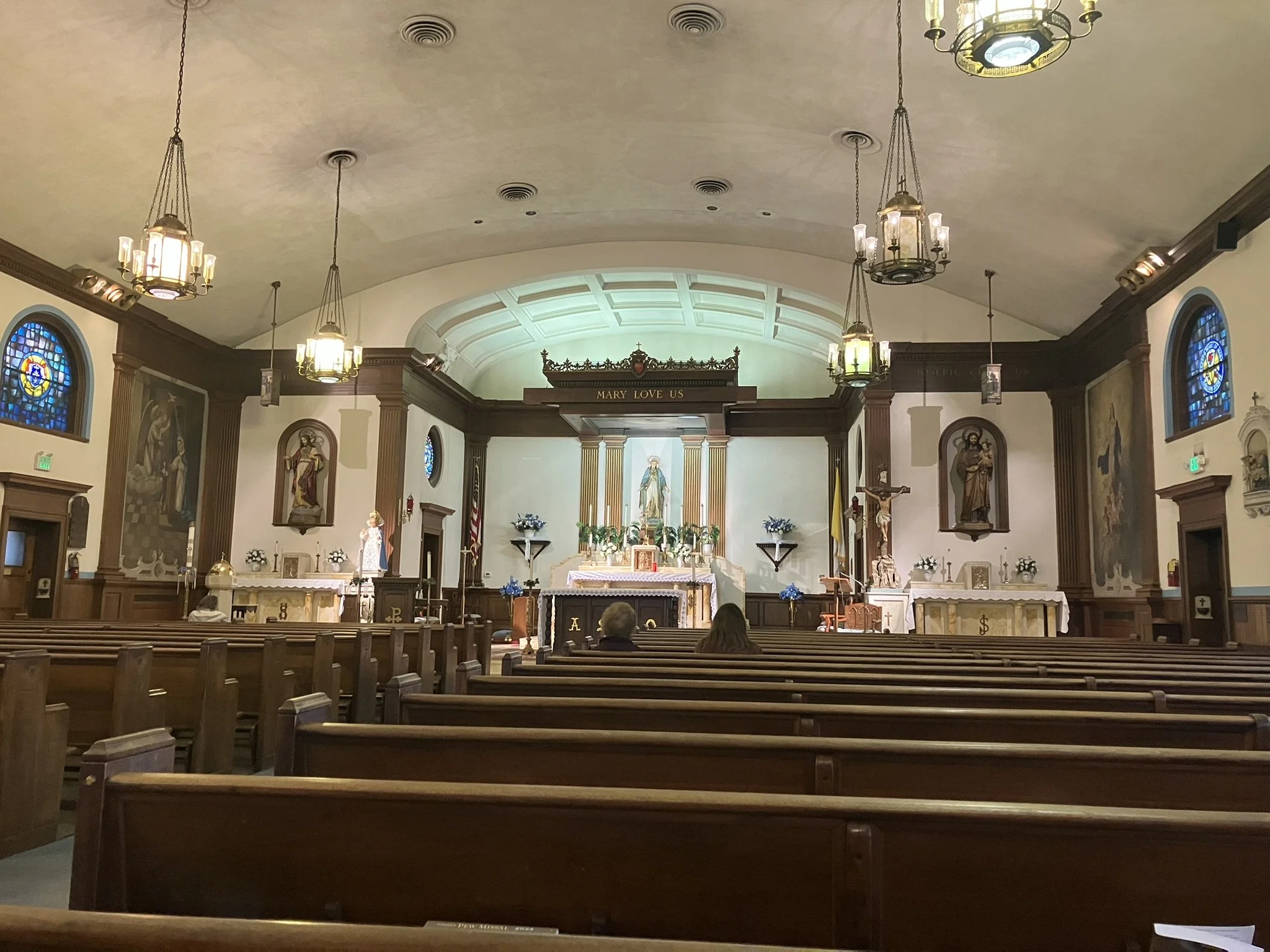
ironically, written above the altar at St. Elizabeth of Hungary, recently
closed.
We continue our review by taking a fresh look at the map drawn and
utilized by Seek the City to “carve in” areas of consideration and, as it
turns out, “carve out,” other areas. Churches in the latter areas, were,
fortunately spared the stress of the years-long process, but there are
inconsistencies. Some inside the area were not included in the plan and
Immaculate Conception was outside the map but closed anyway. A few points
worth noting:
The catchment area of “Seek the City” reveals a very intentional “carved
out” shape instead of something more expected, like a certain radius from
the City center, a definite boundary such as the City/County line, or the
Baltimore Beltway. Instead, we are presented with something approximating
gerrymandered political districts. We see thirteen parishes very close in
(See SHMCC interactive GIS Map), some even within the map that were not included in the plan. They are:
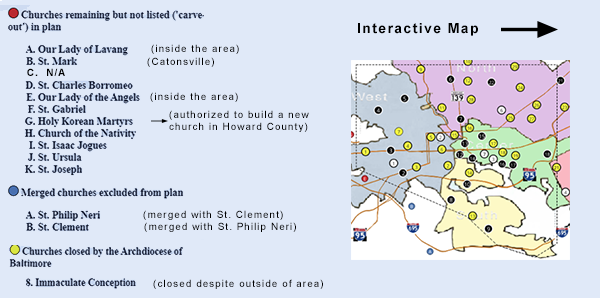
While ten of these close-in churches were spared entirely, it’s plain to
see those in the eastern areas were inordinately targeted, as posited
earlier.
In addition to the retrospective look at the map, it’s worth re-examining
some of the numbers reported by the Catholic Review. In “The Final
Plan,” (CR June, 2024), Christopher Gunty reports, “Currently in Baltimore
City and some nearby areas of Baltimore County that were part of the
project, 61 parishes at 59 worship sites serve approximately 5,000
Catholics.” Gunty does not cite his source on this number of “5,000,”
which makes no logical sense since later on, in the very same article, he
states, “Archbishop Lori estimates that the archdiocese has heard some
6,000 voices in the process.” His Excellency would not be hearing from
6,000 voices if the plan only covers 5,000 Catholics. The actual number of
Catholics impacted by the project is well over 12,000 from the
Archdiocese’s own data published in booklets called “Toolkits”
provided to each parish during the project. This number, 12,000,
represents the average number of attendance in the aggregate at 61
parishes, and it underestimates the number of Catholics actually being
served by a parish. Each parish has a registry which is (unfortunately)
much greater than the number of attendees; a registry of persons whose
attendance and participation in their neighborhood parish is more
irregular, but who exist nonetheless. By CR’s incorrect reporting of the
number of “5,000” it surely makes the case that 61 churches are far too
many to serve such a small number. It’s an erroneous number and will make
anything more than 5,000, from this point on, look like an increase, where
the baseline should be 12,000, perhaps even twice that number. If the
current attendance numbers from Our Lady of Hope can be extrapolated
across the plan, we’re looking at a loss of 2,727 persons or a total of
9,341 persons still attending. The Catholic Review
could potentially report that total as an 86.8% increase in attendance. In
actuality, we are in the throes of a significant, likely permanent loss of
souls that the AoB “hopes” to address, when it gets around to it.
|
|
|
Same $$
|
Increase $$
|
Decrease $$
|
|
ARCHDIOCESE OF BALTIMORE APPEAL 2024-2025 (Appendix A)
|
|
|
|
|
|
Church
|
2024
Church
Amount
|
2025
Consolidate
Church
|
2025
Consolidate Church Amount
|
Delta Amount
|
%
Change
|
|
|
|
|
|
|
|
Our Lady of Hope
|
12,111
|
Our Lady Of Hope
|
23,727
|
|
|
|
Sacred Heart of Mary
|
26,375
|
|
|
|
|
|
St. Luke
|
12,445
|
|
|
|
|
|
St. Rita
|
3,955
|
|
|
|
|
|
Total Amount
|
54,886
|
|
23,727
|
-31,159
|
-56.80%
|
|
|
|
|
|
|
|
|
Basilica of the Assumption
|
56,117
|
Basilica of the Assumption
|
72,760
|
|
|
|
Corpus Christi
|
12,904
|
|
|
|
|
|
Total
|
69,021
|
|
72,760
|
3,739
|
5.40%
|
|
|
|
|
|
|
|
|
St. Bernardine
|
19,452
|
St. Bernardine
|
19,540
|
|
|
|
St. Peter Claver
|
9,897
|
|
|
|
|
|
St. Edward
|
6,155
|
|
|
|
|
|
St. Gregory the Great
|
200
|
|
|
|
|
|
St. Pius
|
475
|
|
|
|
|
|
Total
|
36,179
|
|
19,540
|
-16,639
|
-46.00%
|
|
|
|
|
|
|
|
|
St. Alphonsus
|
14,493
|
St. Alphonsus
|
20,478
|
|
|
|
Total
|
14,493
|
|
20,478
|
5,985
|
41.30%
|
|
|
|
|
|
|
|
|
New All Saints
|
4,590
|
New All Saints
|
3,627
|
|
|
|
St. Cecelia
|
5,790
|
|
|
|
|
|
Immaculate Conception
|
6,645
|
|
|
|
|
|
Total
|
17,025
|
|
3,627
|
-13,398
|
-78.70%
|
|
|
|
|
|
|
|
|
St. Veronica
|
2,060
|
St. Veronica
|
1,075
|
|
|
|
Total
|
2,060
|
|
1,075
|
-985
|
-47.80%
|
|
|
|
|
|
|
|
|
Our Lady of Victory
|
11,450
|
Our Lady of Victory
|
18,963
|
|
|
|
St. Joseph's Monastery
|
4,810
|
|
|
|
|
|
Transfiguraton
|
2,750
|
|
|
|
|
|
St. Benedict
|
690
|
|
|
|
|
|
Total
|
19,700
|
|
18,963
|
-737
|
-3.70%
|
|
|
|
|
|
|
|
|
St. Ambrose
|
3,375
|
St. Ambrose
|
3,373
|
|
|
|
Total
|
3,375
|
|
3,373
|
-2
|
0%
|
|
|
|
|
|
|
|
|
St. Agnes
|
35,815
|
St. Agnes
|
40,893
|
|
|
|
St. William of York
|
14,140
|
|
|
|
|
|
Total
|
49,955
|
|
40,893
|
-9,062
|
-18.10%
|
|
|
|
|
|
|
|
|
Cathedral of Mary Our Queen
|
157,903
|
Cathedral of Mary Our Queen
|
161,567
|
|
|
|
Shrine of the Sacred Heart
|
11,365
|
|
|
|
|
|
St. Pius X
|
22,080
|
|
|
|
|
|
St. Thomas Aquinas
|
26,190
|
|
|
|
|
|
St. Mary of the Assumption
|
6,155
|
|
|
|
|
|
Total
|
223,693
|
|
161,567
|
-62,126
|
-27.80%
|
|
|
|
|
|
|
|
|
Ss. Philip and James
|
18,300
|
Ss. Philips and James
|
31,560
|
|
|
|
Total
|
18,300
|
|
31,560
|
13,260
|
72.40%
|
|
|
|
|
|
|
|
|
St. Athanasius
|
18,159
|
St. Athanasius
|
19,086
|
|
|
|
St. Rose of Lima
|
11,190
|
|
|
|
|
|
Total
|
29,349
|
|
19,086
|
-10,263
|
-35.00%
|
|
|
|
|
|
|
|
|
Catholic Community of South Baltimore
|
81,763
|
Catholic Community of South Ba
|
85,232
|
|
|
|
Total
|
81,763
|
|
85,232
|
3,469
|
4.20%
|
|
|
|
|
|
|
|
|
St. Casimir
|
25,930
|
St. Casimir
|
25,028
|
|
|
|
Total
|
25,930
|
|
25,028
|
-902
|
-3.50%
|
|
|
|
|
|
|
|
|
St. Matthew
|
8,811
|
St. Matthew
|
19,005
|
|
|
|
St. Francis of Assisi
|
8,545
|
|
|
|
|
|
St. Dominic
|
5,365
|
|
|
|
|
|
Shrine of the Little Flower
|
4,934
|
|
|
|
|
|
St. Anthony of Padua
|
50,537
|
|
|
|
|
|
Most Precious Blood
|
1,195
|
|
|
|
|
|
Blessed Sacrament
|
5,340
|
|
|
|
|
|
Total
|
84,727
|
|
19,005
|
-65,722
|
-77.60%
|
|
|
|
|
|
|
|
|
Our Lady of Fatima
|
6,390
|
Our Lady of Fatima
|
9,908
|
|
|
|
Our Lady of Pompei
|
1,600
|
|
|
|
|
|
Total
|
7,990
|
|
9,908
|
1,918
|
24.00%
|
|
|
|
|
|
|
|
|
Sacred Heart of Jesus
|
13,129
|
Sacred Heart of Jesus
|
16,174
|
|
|
|
Holy Rosary
|
13,974
|
Holy Rosary*
|
24,353
|
|
|
|
Total
|
27,103
|
|
40,527
|
13,424
|
49.50%
|
|
|
|
|
|
|
|
|
St. Leo
|
16,105
|
St. Leo
|
1,860
|
|
|
|
St. Vincent de Paul
|
89,780
|
St. Vincent de Paul*
|
14,636
|
|
|
|
St. Patrick
|
2,780
|
|
|
|
|
|
Total
|
108,665
|
|
16,496
|
-92,169
|
-84.80%
|
|
|
|
|
|
|
|
|
St. Francis Xavier
|
15,635
|
St. Francis Xavier
|
11,795
|
|
|
|
St. Ann
|
1,792
|
|
|
|
|
|
St. Wenceslaus
|
2,815
|
|
|
|
|
|
Total
|
20,242
|
|
11,795
|
-8,447
|
-41.70%
|
|
|
|
|
|
|
|
|
St. Ignatius
|
70,220
|
St. Ignatius
|
83,233
|
|
|
|
Total
|
70,220
|
|
83,233
|
13,013
|
18.50%
|
|
|
|
|
|
|
|
|
Our Lady of Mt. Carmel
|
14,919
|
Our Lady of Mt. Carmel
|
19,842
|
|
|
|
St. Clare
|
17,626
|
|
|
|
|
|
Total
|
32,545
|
|
19,842
|
-12,703
|
-39.00%
|
|
|
|
|
|
|
|
|
St. Michael the Archangel
|
17,363
|
St. Michael the Archangel
|
25,582
|
|
|
|
St. Clement Mary Hofbauer
|
12,309
|
|
|
|
|
|
Church of the Annunciation
|
6,990
|
|
|
|
|
|
Total
|
36,662
|
|
25,582
|
-11,080
|
-30.20%
|
|
|
|
|
|
|
|
|
Immaculate Heart of Mary
|
45,045
|
Immaculate Heart of Mary
|
56,980
|
|
|
|
St. Thomas More
|
11,835
|
|
|
|
|
|
Total
|
56,880
|
|
56,980
|
100
|
0%
|
|
|
|
|
|
|
|
|
Total
|
1,090,763
|
|
810,277
|
-280,486
|
-25.70%
|
|
|
|
|
|
|
|
|
Notes: 1) 3 of the 5 parishes with in green were NOT subjected to
mergers.
|
|
|
|
|
Only Sacred Heart of Jesus and Our Lady of Fatima saw increases in
Appeal donations
|
|
|
|